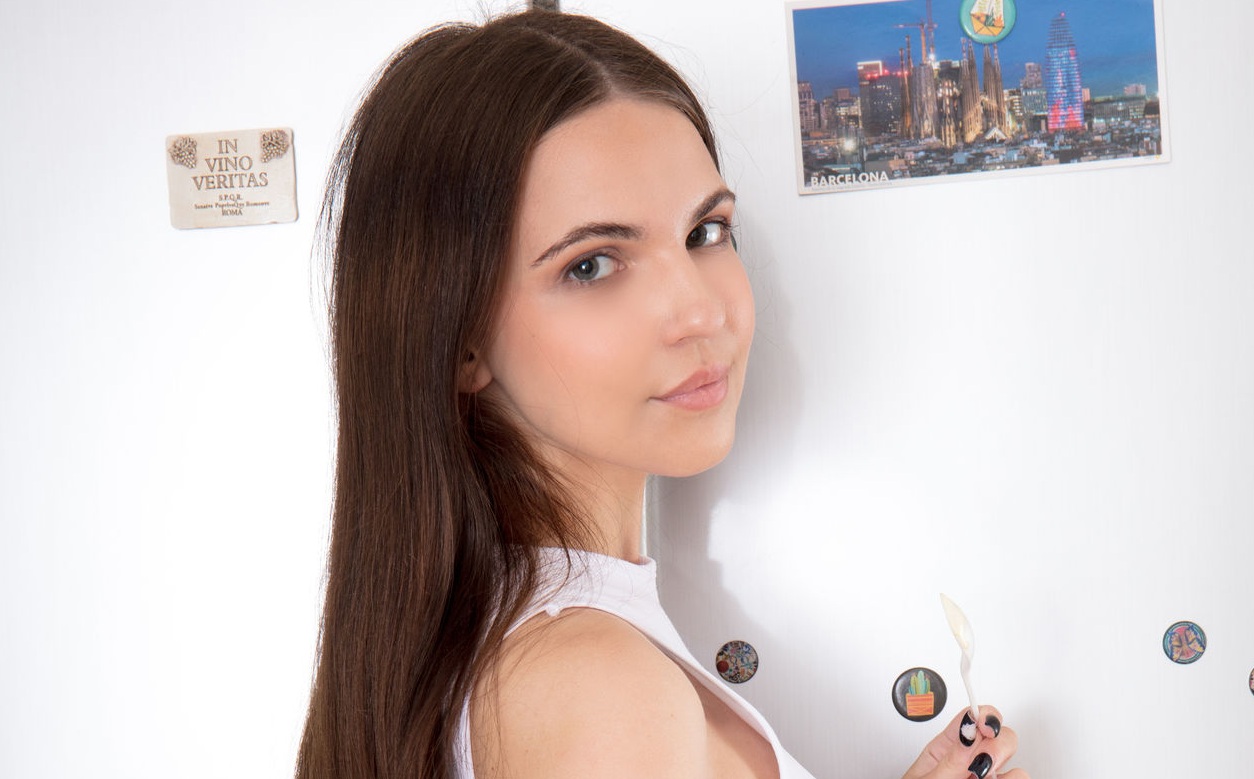
Discover Samantha Turner’s longevity-focused nutrition habits—from protein and fiber targets to Mediterranean-style meals, hydration, and smart supplementation—plus practical tips you can start today.
Living longer is one goal. Living longer well—with steady energy, a resilient body, and a mind that stays sharp—is the real dream. When people talk about “longevity,” they often imagine rare genetic gifts or complicated biohacking. But in reality, a large part of healthy aging is shaped by everyday choices—especially what you do repeatedly at the table.

Samantha Turner Reveals the Nutrition Habits That Support Longevity
Samantha Turner, a long-time health-minded home cook who’s spent years refining her routine, puts it simply: longevity nutrition isn’t about perfection. It’s about patterns. “I don’t chase ‘superfoods’ or punish myself with strict rules,” she says. “I build meals that I can maintain for decades.”
This article breaks down Samantha’s most practical longevity-supporting habits—backed by widely accepted nutrition principles—so you can adapt them to your lifestyle. These habits are not medical advice, and they won’t replace individualized care. If you have a medical condition, pregnancy, or take medications, talk with a qualified clinician or registered dietitian for guidance.
1) She prioritizes a Mediterranean-style foundation (most days)
If Samantha had to choose one “default” eating style, it would be Mediterranean-inspired: plenty of vegetables, legumes, fruit, whole grains, nuts, seeds, olive oil, and seafood—plus modest amounts of dairy and poultry. She likes it because it’s flexible and it naturally creates a nutrient-rich plate without obsessing over numbers.
Her approach is not about being “strict Mediterranean.” It’s about using Mediterranean patterns as a baseline and then adjusting for preferences, budget, culture, and schedule. This is a key longevity lesson: the best diet is the one you can actually sustain.
One practical way she does this is by following a simple plate framework:
-
- Half the plate: vegetables (raw, cooked, or mixed)
-
- One quarter: protein (fish, beans, yogurt, eggs, chicken, tofu)
-
- One quarter: fiber-rich carbs (whole grains, starchy vegetables, legumes)
-
- Plus: a source of healthy fat (olive oil, nuts, seeds, avocado)
When she needs a credible reference for what “balanced” looks like, she points people to the Harvard Healthy Eating Plate for an easy visual guide: Harvard T.H. Chan School of Public Health’s Healthy Eating Plate.
2) She hits a protein “floor,” especially at breakfast
One of Samantha’s biggest longevity shifts was treating protein as a daily baseline rather than a “gym thing.” As people age, maintaining muscle mass becomes more important for mobility, metabolic health, and independence. Samantha aims to include protein at every meal, and she starts early in the day.
She doesn’t count macros obsessively. Instead, she uses “anchors”:
-
- Breakfast: a clear protein source (Greek yogurt, eggs, tofu scramble, cottage cheese, or a protein smoothie)
-
- Lunch/Dinner: a palm-sized portion of protein, or a hearty serving of beans/lentils
-
- Snacks (if needed): nuts, edamame, yogurt, or hummus
Her favorite breakfast templates:
-
- Greek yogurt + berries + chia/flax + walnuts
-
- Eggs or tofu scramble + spinach + tomatoes + whole-grain toast
-
- Overnight oats made with milk/soy milk + nut butter + seeds
Samantha also reminds people that protein doesn’t need to be expensive. Canned fish, eggs, plain yogurt, tofu, lentils, and beans can be some of the most cost-effective options.
3) She treats fiber as the “quiet hero” of healthy aging
If protein is Samantha’s anchor, fiber is her daily insurance policy. Fiber supports digestive health, helps regulate blood sugar, improves fullness, and feeds beneficial gut microbes—factors linked to better long-term health. Samantha’s simple rule is: if a meal looks beige, she adds something fibrous.
To make fiber automatic, she builds meals around these:
-
- Legumes: lentils, chickpeas, black beans
-
- Whole grains: oats, brown rice, quinoa, barley
-
- Vegetables: especially leafy greens, cruciferous veggies, and carrots
-
- Seeds: chia, flax, pumpkin seeds
-
- Fruit: berries, apples, pears, citrus
Her “fiber upgrade” list is practical:
-
- Add lentils to soups and pasta sauces.
-
- Mix chia or ground flax into yogurt or oatmeal.
-
- Keep frozen vegetables for fast stir-fries.
-
- Swap white rice sometimes for brown rice or quinoa.
For an authoritative overview of fiber and why it matters, Samantha often shares the Mayo Clinic’s guide: Mayo Clinic: Dietary fiber—essential for a healthy diet.
4) She chooses fats that support the heart and brain
Longevity nutrition isn’t fat-free. It’s fat-smart. Samantha leans on unsaturated fats—especially olive oil, nuts, seeds, and fatty fish—because they help meals taste good while supporting heart health.
Her most common fat choices include:
-
- Extra-virgin olive oil for dressings and low-to-medium heat cooking
-
- Nuts and seeds for snacks and meal toppings
-
- Avocado in bowls, salads, and toast
-
- Fatty fish (salmon, sardines, mackerel) a few times per week when possible
She doesn’t fear saturated fat, but she keeps it in perspective. For her, longevity is about overall patterns: more whole foods and unsaturated fats, fewer ultra-processed snacks, and mindful portions of richer foods.
5) She keeps blood sugar steadier by “pairing” foods
Samantha doesn’t label foods as “good” or “bad,” but she does think strategically about blood sugar—because energy crashes and constant cravings can derail healthy habits. Her main tactic is pairing carbohydrates with protein, fiber, and fat.
Examples of smart pairing:
-
- Fruit + nuts or yogurt (instead of fruit alone)
-
- Toast + eggs/avocado (instead of plain toast)
-
- Rice + beans + vegetables (instead of rice alone)
-
- Pasta + lentils/seafood + salad (instead of pasta alone)
This approach isn’t about dieting. It’s about making meals more satisfying and stable—something you can sustain for years.
6) She relies on “80/20” consistency—not perfection
One reason Samantha’s routine sticks is that it’s realistic. She aims for a nutrient-dense baseline most of the time, and she leaves room for celebration foods. That might look like dessert with friends, a weekend brunch, or a comfort-food dinner after a stressful week.
The longevity benefit here is behavioral: all-or-nothing thinking makes people quit. A flexible structure helps people continue. Samantha’s rule is: “Return to baseline at the next meal, not next Monday.”
7) She hydrates on a schedule, not “when thirsty”
Hydration is not glamorous, but it’s foundational. Samantha noticed that she often confused thirst with hunger or fatigue. Now she uses a simple routine:
-
- A glass of water soon after waking
-
- Water with each meal
-
- Extra fluids around workouts or hot weather
She also likes unsweetened tea and sparkling water. If she drinks coffee, she adds water alongside it. She doesn’t demonize caffeine, but she treats hydration as non-negotiable.
8) She meal-preps “components,” not full meals
Longevity eating can fall apart when life gets busy. Samantha’s solution is not spending hours batch-cooking elaborate recipes. She meal-preps components that can mix-and-match all week:
-
- Protein: baked salmon, roasted chicken, tofu, lentils
-
- Fiber carbs: cooked quinoa or brown rice, roasted sweet potatoes
-
- Vegetables: washed greens, chopped cucumbers, roasted mixed veggies
-
- Flavor: lemon, herbs, salsa, hummus, vinaigrette
This way, she can build quick bowls, salads, wraps, or stir-fries without relying on takeout every time she’s busy.
9) She watches sodium and ultra-processed foods without getting obsessive
Samantha doesn’t avoid packaged foods entirely. She simply tries to make most of her diet from minimally processed foods, and she reads labels on the items she buys frequently.
Her “high-impact swaps” include:
-
- Choose plain yogurt and add fruit instead of flavored yogurts.
-
- Use canned beans—but rinse them to reduce sodium.
-
- Buy minimally sweetened cereals or oats instead of sugary cereals.
-
- Build snacks around whole foods (nuts, fruit, hummus) rather than chips or candy most days.
She also focuses on adding flavor with herbs, citrus, garlic, pepper, and spices rather than leaning heavily on salty sauces.
10) She supports bone health with food first (and supplements only when needed)
Longevity isn’t only about heart and metabolism—bones matter, too. Samantha tries to include calcium-rich foods and vitamin D sources in her routine, especially if she’s spending more time indoors or during seasons with less sun exposure.
Food-first bone-supporting staples:
- Greek yogurt or fortified plant yogurt
- Milk or fortified plant milk
- Sardines (with bones), tofu set with calcium (depending on brand)
- Leafy greens (as part of a broader pattern)
If she’s considering a supplement, she prefers to keep it simple and evidence-aware. For example, many people use vitamin D3, especially if dietary intake or sunlight exposure is low. If you’re looking for an easy option, you can browse vitamin D3 on Amazon here: vitamin D3 supplements on Amazon. (Always check with a clinician if you take medications or have kidney/parathyroid conditions.)
11) She eats more “polyphenol-rich” foods for long-term resilience
Samantha likes the idea of “eating the rainbow,” but she also focuses on foods rich in polyphenols—naturally occurring compounds found in plants. You don’t need to memorize lists. Her approach is to rotate a few favorites throughout the week:
- Berries (fresh or frozen)
- Extra-virgin olive oil
- Green tea or black tea (unsweetened)
- Dark leafy greens
- Herbs and spices (turmeric, cinnamon, oregano)
- Dark chocolate in small portions (if it fits your goals)
The key is variety. Repeating the same few foods is fine, but rotating produce and plant sources helps cover more micronutrients and supports a healthier gut environment.
12) She builds longevity habits around real life (travel, stress, celebrations)
Samantha’s longevity routine works because it’s built for normal life. When she travels, she focuses on “minimum viable habits”:
- Protein at breakfast if possible
- At least one big serving of vegetables per day
- Water with meals
- Walking after eating when she can
During stressful periods, she leans on easy defaults: yogurt bowls, eggs and greens, lentil soup, frozen vegetable stir-fries, and simple fish with salad. She doesn’t try to overhaul everything at once—she maintains a few anchors and lets the rest be flexible.
A 1-day sample menu inspired by Samantha’s longevity habits
Breakfast: Greek yogurt with berries, chia seeds, and walnuts + coffee/tea and water
Lunch: Big salad with mixed greens, chickpeas or chicken, olive oil + lemon dressing, and whole-grain bread
Snack (optional): Apple + peanut butter or a handful of nuts
Dinner: Salmon (or tofu) + roasted vegetables + quinoa/brown rice
Evening: Herbal tea and a piece of fruit if hungry
Notice the pattern: protein at each meal, multiple fiber sources, healthy fats, plenty of produce, and hydration—without rigid restrictions.
How to start: Samantha’s “two-week longevity reset” (simple and realistic)
If you want to adopt these habits without feeling overwhelmed, Samantha suggests a two-week experiment. Pick 2–3 actions and repeat them until they feel automatic.
- Week 1: Add protein to breakfast + add one extra serving of vegetables daily.
- Week 2: Add legumes 3 times per week + swap in whole grains once per day.
After two weeks, reassess. If it felt doable, keep going. If it felt too hard, scale down. Longevity is the long game—consistency beats intensity.
Bottom line
Samantha Turner’s longevity nutrition habits aren’t about chasing extremes. They’re about building meals that support strength, metabolic health, heart function, digestion, and energy—day after day. A Mediterranean-style pattern, steady protein, fiber-rich foods, healthy fats, hydration, and flexible consistency form a foundation you can maintain for years.
If you want to live longer and feel better while doing it, start with the basics. Then repeat them—imperfectly, consistently, and with enough room to enjoy your life.