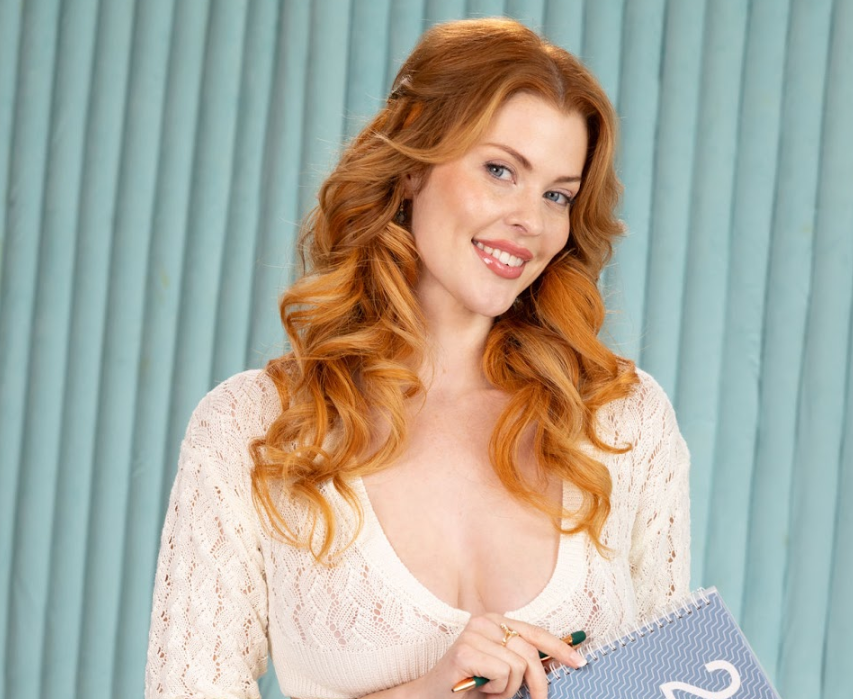

For as long as she can remember, movie nights have been one of Orielle Vay’s favorite rituals. They are quiet, familiar moments — a couch, dim lights, a good film, and something to snack on.
For years, though, those snacks almost always meant the same thing: salty popcorn, chips, packaged crackers, or takeout sides that seemed inseparable from the movie experience. She didn’t think much about sodium content, because the snacks were small and the habit felt harmless.

Orielle Vay’s Low-Sodium Snacks for Movie Nights
That perspective shifted after a routine health checkup. Her clinician mentioned that her blood pressure was creeping upward and asked a simple question: “How often do you eat packaged snacks or salty foods?” It was the first time Orielle connected relaxing nights with potential cardiovascular strain. Nothing was seriously wrong, but she suddenly began paying attention to how much sodium silently appeared in everyday foods that didn’t taste “too salty” at all.
Instead of giving up movie snacks completely, she decided to rethink them. The goal wasn’t a restrictive diet — she wanted snacks that felt fun, satisfying, and social, without the usual sodium overload. That decision led her to explore low-sodium options she could actually enjoy long-term, not just tolerate for a short health kick.
Why Low-Sodium Snacks Matter More Than They Seem
As Orielle learned more, she realized how much sodium hides in typical movie-night foods. Chips, microwave popcorn, deli snacks, sauces, cheese dips, and frozen finger foods all contribute to daily salt intake even before meals are counted. For people managing high blood pressure, heart disease risk, swelling, or kidney concerns, reducing sodium is more than a preference — it’s an important part of long-term health.
But she also discovered something else: sodium isn’t the only issue. Highly salty snacks often encourage overeating because salt triggers cravings and thirst, which then leads to extra sugary drinks. Over time, she began to associate movie nights not with rest but with feeling bloated, thirsty, and tired afterward. That was the moment she understood that “comfort food” should actually leave you comfortable when the movie ends.
Switching to low-sodium snacks didn’t mean giving up flavor. Instead, she shifted focus toward herbs, spices, acidity from citrus, natural sweetness from fruit, healthy fats, and texture. These layers added satisfaction in a way salt alone never had. She also realized that reducing sodium benefited more than blood pressure — she slept better after movie nights, experienced less hand swelling, and felt less sluggish the next morning.
Today, Orielle doesn’t approach low-sodium eating as a strict medical prescription, but as a supportive choice. She still enjoys occasional traditional popcorn or salty treats at theaters, but her home routine looks different — and she feels the difference. BioEmblem Women’s Multivitamin – Complete Daily Multi for Immunity, Energy, Hair, Skin with Vitamin A, B12, B6, D3, Biotin, Iron, Magnesium, Collagen and Veggie Blends – Gluten Free
Low-Sodium Snack Ideas That Still Feel Like Real Movie Food
One of Orielle’s biggest fears was that low-sodium snacks would feel “too healthy” to match a fun movie atmosphere. Instead, she found ways to keep the feeling of indulgence while making subtle adjustments. Some swaps were as simple as preparing food at home instead of relying on packaged versions; others involved discovering flavors she never used before.
Over time, she noticed patterns. Snacks rich in natural fiber and healthy fats helped her feel satisfied without overeating. Fresh ingredients prevented the heavy, bloated feeling she associated with processed foods. And importantly, every snack still felt like something you’d want to curl up with on the couch, not a diet experiment.
Here are a few of the snacks that became regulars in her routine:
- air-popped popcorn seasoned with garlic powder, smoked paprika, or nutritional yeast instead of salt
- fresh fruit paired with unsalted nuts or a small amount of dark chocolate
- homemade low-sodium hummus with carrot sticks, cucumber rounds, or bell pepper strips
- plain yogurt parfaits with berries and cinnamon
None of these options required complicated recipes or specialty products — only attention. She began reading labels carefully, noticing that “reduced sodium” did not always mean “low sodium,” and that some snacks marketed as healthy could still contain more salt than expected.
Creating a Comfortable, Heart-Friendly Movie Night Routine
As low-sodium snacks became normal, something interesting happened. Movie nights started feeling even more relaxing. Without post-snack grogginess or extreme thirst, she enjoyed films more fully. Hydration improved naturally because she wasn’t constantly battling salt-induced thirst. Even small physical cues — like rings fitting better on her fingers the next morning — reinforced the impact.
She also realized that emotional satisfaction matters. Food is social, nostalgic, and comforting. If snacks feel like punishment, the routine doesn’t last. That’s why Orielle kept some flexibility. If friends visited with traditional popcorn or salty pizza, she shared it without guilt and returned to her low-sodium routine afterward. Consistency over time mattered more than perfection.
Today, her approach can be summarized simply: movie snacks should be enjoyable now and comfortable later. She doesn’t frame choices as “allowed” or “forbidden,” but asks whether they support how she wants to feel after the credits roll. That mindset shift made low-sodium eating sustainable rather than restrictive.
Her experience also reflects growing awareness among clinicians about lifestyle-based heart health. Reducing sodium intake, staying hydrated, and choosing whole foods over processed ones are common recommendations from cardiologists and dietitians. Orielle’s routine isn’t a medical prescription — but it aligns naturally with advice meant to support long-term cardiovascular health.
Movie nights are still one of her favorite rituals. The couch is the same, the dim lights are the same, and the stories on screen are still the main attraction. The only real change is that the snacks now support the kind of life she wants to live after the movie ends: energetic, clear-headed, and healthy.