If you search for the best weight loss programs for women, you will find a lot of noise. One plan says cut carbs. Another says count every calorie. A third promises fast results in 14 days. That is where many women get stuck.
As a fitness coach, Isabella Rossi takes a different view. She does not chase quick fixes. Instead, she looks for weight loss programs that fit real life, support hormone health, protect muscle, and help women stay consistent long enough to see lasting change.
That matters because the best program is not the most extreme one. It is the one you can follow with confidence, adjust when life gets busy, and maintain after the first few pounds come off.
In this guide, Isabella Rossi breaks down the best weight loss programs for women, who each one is best for, the pros and cons, and how to choose the right fit for your body, schedule, and goals.
What Makes a Weight Loss Program Work for Women?
A weight loss program works when it creates a steady calorie deficit, supports protein intake, includes regular movement, and is simple enough to follow for months, not days.
For women, the right program also needs to account for real-world factors like stress, sleep, hunger, cycle-related changes, family schedules, and muscle preservation. Many women are not failing at weight loss. They are simply following plans that are too strict, too confusing, or too hard to sustain.
Isabella Rossi says the best programs for women usually share these traits:
-
- They focus on fat loss, not just scale loss
-
- They encourage high-protein meals to support fullness and lean muscle
-
- They include strength training, not endless cardio
-
- They teach portion control or calorie awareness without creating obsession
-
- They allow flexibility for social meals, travel, and busy work weeks
-
- They build habits that can continue during maintenance
Isabella Rossi’s View: The Best Weight Loss Program Is the One You Can Repeat
According to Isabella, many women choose a program based on speed. However, long-term success comes from repeatable habits. A strong plan should still work on a stressful Tuesday, a family weekend, or during a month when motivation drops.
That is why she recommends choosing a program based on three filters:
-
- Can you follow it for 12 weeks?
-
- Can you still eat with friends and family?
-
- Can you see yourself doing some version of it six months from now?
If the answer is no, it is probably not the best fit, even if it sounds exciting.
The Best Weight Loss Programs for Women, According to Isabella Rossi
1. A High-Protein Calorie Deficit Plan
This is Isabella’s top choice for most women because it is simple, proven, and flexible. The idea is clear: eat fewer calories than you burn while keeping protein high enough to protect muscle and manage hunger.

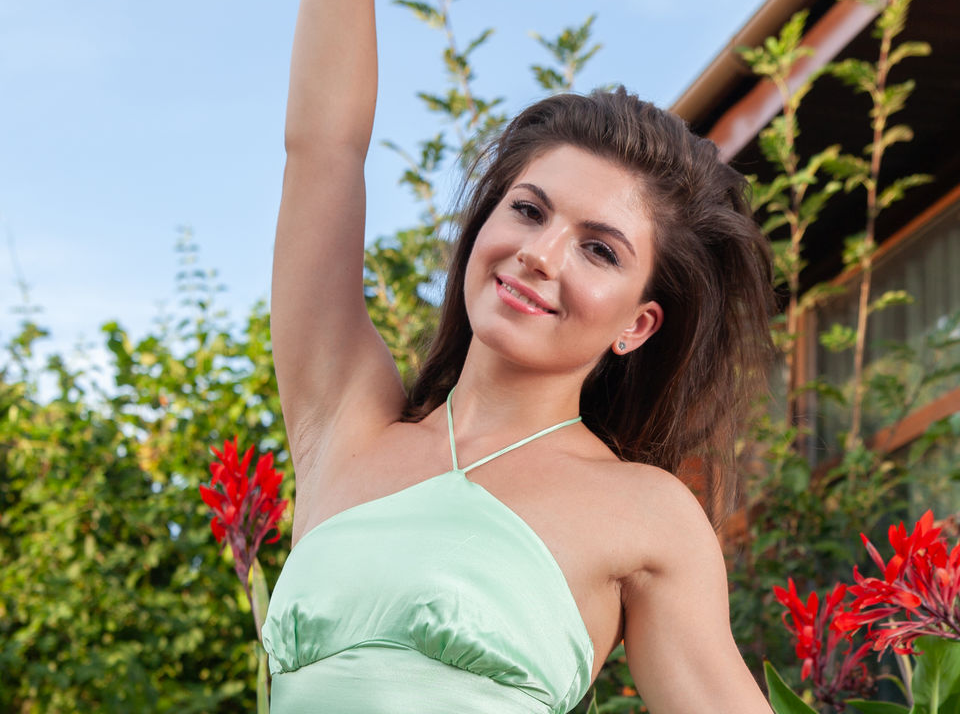
Fitness Coach Isabella Rossi Shares the Best Weight Loss Programs for Women
This approach does not require cutting out entire food groups. It teaches women how to build meals around protein, vegetables, fiber-rich carbs, and healthy fats while staying within a realistic calorie range.
Best for: women who want structure without extreme food rules
Why Isabella recommends it: It works across many lifestyles. Busy professionals, moms, beginners, and women returning to fitness can all use it.
Pros:
-
- Flexible food choices
-
- Easy to personalize
-
- Supports sustainable fat loss
-
- Helps preserve lean muscle when paired with strength training
Cons:
-
- Requires some meal awareness
-
- May feel slow for women expecting rapid results
-
- Tracking can feel tiring if done too strictly
Coach insight: Isabella often starts clients with a “light tracking” phase. Instead of logging every bite forever, they learn what balanced meals look like. Over time, many women can keep results with visual portion control alone.
2. The Mediterranean-Style Weight Loss Program
If a woman wants a heart-healthy, realistic, food-first approach, Isabella often points her toward a Mediterranean-style plan. This is less of a strict diet and more of an eating pattern built around lean proteins, fish, olive oil, beans, fruit, vegetables, yogurt, and whole grains.
It is especially useful for women who want to improve overall health while losing weight.
Best for: women who want a balanced lifestyle plan instead of a “diet”
Why Isabella recommends it: It is simple, satisfying, and rich in nutrient-dense foods. It also feels easier to maintain over the long term than highly restrictive plans.
Pros:
-
- Easy to follow in daily life
-
- Supports healthy habits beyond weight loss
-
- Encourages whole foods and better meal quality
-
- Works well for family-style eating
Cons:
-
- Weight loss may stall if portions are not managed
-
- Healthy fats are good, but calories still count
-
- Some women need more structure at the start
Coach insight: Isabella says this is one of the best plans for women who are tired of starting over. It teaches a way of eating you can actually live with.
3. Strength Training Plus Simple Nutrition Coaching
This is not a trendy diet, but Isabella believes it is one of the most effective programs for women who want body recomposition. Instead of only focusing on scale weight, the goal is to lose fat while building or keeping lean muscle.
In practice, this means strength training two to four times per week, walking more, and improving meal quality with simple nutrition rules.
Best for: women who want to look firmer, stronger, and more athletic
Why Isabella recommends it: Many women care about inches, shape, and energy as much as body weight. Strength training changes the body in ways cardio alone often does not.
Pros:
-
- Supports fat loss and muscle tone
-
- Improves metabolism, strength, and confidence
-
- Can reduce the “skinny but soft” look
-
- Builds habits that help with long-term maintenance
Cons:
-
- Progress on the scale may be slower
-
- Requires learning proper form
-
- Some beginners feel intimidated by weights at first
Coach insight: Isabella often reminds clients that the scale is only one metric. A woman can lose inches, improve posture, and feel stronger before the number changes much.
4. Intermittent Fasting for Women Who Prefer Simplicity
Intermittent fasting can work well for some women because it reduces the number of eating windows during the day. Many women find it easier to manage calories when they are not grazing from morning to night.
Still, Isabella does not treat fasting as magic. It only works when total calorie intake stays under control and energy stays stable.
Best for: women who prefer fewer meals and simple rules
Why Isabella recommends it carefully: It can reduce mindless snacking, but it is not ideal for everyone.
Pros:
- Simple schedule
- Can reduce late-night eating
- May feel easier than constant meal planning
Cons:
- Can lead to overeating during the eating window
- Not always a good fit for women with high stress, poor sleep, or a history of disordered eating
- May lower workout energy if not planned well
Coach insight: Isabella usually prefers a gentle version, such as a 12-hour overnight fast, before trying longer fasting windows. For many women, that is enough to create structure without extra stress.
5. A Coaching-Based Habit Program
Some women do not need another diet plan. They need accountability, support, and a clear system. That is why coaching-based programs can work so well. These plans focus on habits such as meal prep, daily steps, protein targets, workouts, sleep, and weekly check-ins.
Best for: women who know what to do but struggle to stay consistent
Why Isabella recommends it: Accountability closes the gap between knowledge and action.
Pros:
- Highly personalized
- Offers support during setbacks
- Builds confidence and consistency
- Helps women adjust when progress slows
Cons:
- Can cost more than self-guided plans
- Results depend on the quality of the coach
- Some women become too dependent on outside accountability
Coach insight: Isabella says this is often the missing piece for women who have tried many diets but never learned how to adapt when life changes.
Weight Loss Programs Women Should Approach with Caution
Not every program deserves your time. Isabella warns women to be careful with plans that rely on:
- Very low calories
- Detox teas or fat-burning supplements
- Meal plans with almost no flexibility
- Two-hour daily cardio sessions
- Programs that remove entire food groups without a medical reason
- Promises of fast fat loss without hunger, effort, or habit change
These plans may create fast scale drops at first. However, they often increase fatigue, cravings, rebound eating, and muscle loss. In the end, many women regain the weight and blame themselves, when the real issue was the program.
How to Choose the Right Weight Loss Program for Your Goals
If you feel unsure, use Isabella Rossi’s simple filter below.
Step 1: Define your main goal
- Do you want faster fat loss?
- Do you want better body composition?
- Do you want a long-term lifestyle reset?
- Do you need accountability more than information?
Step 2: Choose your preferred structure level
- If you like numbers and data, a calorie deficit plan may fit best.
- If you hate tracking, try habit coaching or a Mediterranean-style plan.
- If you want a stronger body, center your plan on strength training.
- If you want a simple eating schedule, consider light intermittent fasting.
Step 3: Check your daily reality
A good program should fit your work schedule, family life, budget, and energy level. A perfect plan on paper is useless if you cannot follow it during a normal week.
Step 4: Build around non-negotiables
Isabella suggests starting with these basics:
- Protein at each meal
- Strength training two to four times per week
- Daily walking
- Sleep routine
- Simple meal planning
Step 5: Review progress every two weeks
Do not judge a program by one day or one weigh-in. Look at trends in body weight, waist size, hunger, energy, workouts, and consistency.
A Simple Example of What Isabella Rossi Might Recommend
Let’s say a 38-year-old woman wants to lose 20 pounds, works full time, has two kids, and feels too tired for long workouts.
Isabella would not put her on an extreme low-carb plan with daily HIIT classes. Instead, she might suggest:
- Three full-body strength workouts per week, 35 to 45 minutes each
- A daily step goal
- Protein-focused breakfast and lunch
- Balanced dinners using portion control
- Two planned treats each week, not random cheat days
- Light calorie awareness, not perfection
- A weekly review of progress and obstacles
This is not flashy. However, it is realistic. And realistic plans are usually the ones that last.
Which Program Is Best for Different Types of Women?
Best for beginners
A high-protein calorie deficit plan with walking and beginner strength training.
Best for busy moms
A coaching-based habit program or Mediterranean-style plan with simple meal structure.
Best for women over 40
Strength training plus high-protein nutrition often works especially well because muscle retention becomes more important with age.
Best for women who hate tracking
A portion-control plan, Mediterranean eating pattern, or habit-based coaching model.
Best for women who snack all day
A simple intermittent fasting structure may help reduce grazing, if energy and recovery stay strong.
Featured Snippet: What Is the Best Weight Loss Program for Women?
The best weight loss program for women is one that creates a sustainable calorie deficit, includes enough protein, supports strength training, and fits daily life. For most women, the best option is not the most restrictive plan. It is the one they can follow consistently for at least 12 weeks and maintain after the first phase of weight loss.
Featured Snippet: What Does Isabella Rossi Recommend First?
Isabella Rossi recommends starting with a high-protein nutrition plan, strength training two to four times per week, more daily walking, and simple habit tracking. She believes most women need consistency and structure more than extreme dieting.
Comparison: Which Weight Loss Program Fits You Best?
- Choose a calorie deficit plan if you want flexibility and clear fat-loss rules.
- Choose Mediterranean-style eating if you want a balanced long-term lifestyle.
- Choose strength training plus nutrition coaching if you want body recomposition and muscle tone.
- Choose intermittent fasting if you prefer fewer meals and a simple schedule.
- Choose habit-based coaching if you need support, accountability, and personalization.
People Also Ask
What is the fastest healthy way for a woman to lose weight?
The fastest healthy route is still a moderate route: a realistic calorie deficit, high protein intake, regular strength training, more daily movement, and enough sleep. Fast results from extreme dieting often do not last.
Are weight loss programs different for women?
Yes. While the core fat-loss rule is the same, women often benefit from plans that account for hunger, stress, schedule demands, muscle retention, and long-term adherence. A plan that looks good on paper may fail if it ignores those factors.
Is cardio or strength training better for women who want to lose weight?
Both help, but strength training is often the better foundation. It helps preserve lean muscle, improves body shape, and supports long-term fat loss. Cardio is useful, but it should not be the only tool.
Should women count calories to lose weight?
Not always. Some women do well with calorie tracking, while others do better with portion control, meal templates, or habit-based coaching. The best method is the one that gives awareness without causing burnout.
Can women lose weight without cutting carbs?
Yes. Many women lose weight without removing carbs. The key is total calorie balance, food quality, protein intake, and consistency. Carbs can fit well in a balanced fat-loss plan.
Final Thoughts
There is no single perfect weight loss program for every woman. However, there is a clear pattern behind the plans that work best. They are realistic. They support muscle. They help control hunger. And most of all, they can be repeated.
Fitness coach Isabella Rossi’s advice is simple but powerful: stop asking which diet sounds the most impressive, and start asking which plan fits your real life.
For most women, that means a high-protein nutrition plan, strength training, daily movement, and a structure they can follow even when life gets messy. That is not only how weight comes off. It is how results stay.