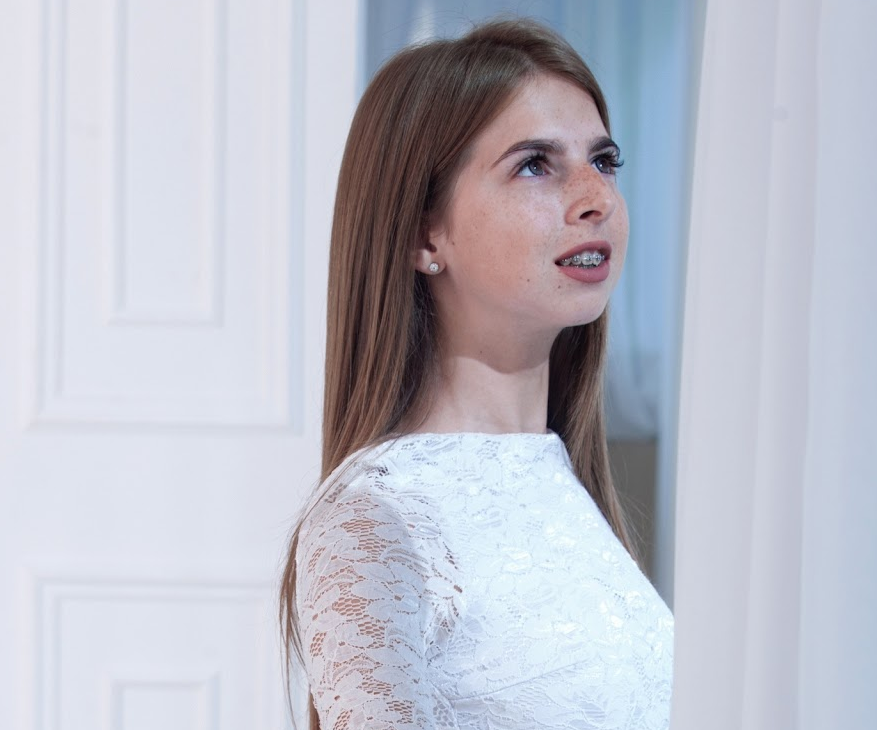
Vivian Monroe used to keep one part of her weight loss for women routine completely private. It was not a secret supplement, a strict diet, or a luxury fitness program. It was the simple habit of asking for help before she felt completely stuck.
At 39, Vivian had spent years trying to manage her weight quietly. She read articles late at night, downloaded meal-tracking apps, saved workout videos, and promised herself that Monday would be different. But every time work became stressful or family life became demanding, her routine disappeared.
What changed was not a dramatic makeover. Vivian stopped pretending that weight loss had to be a solo project. She began using structured support: a realistic walking routine, a protein-focused meal plan, a few sessions with a nutrition coach, and later, a medical checkup to understand whether her body needed more personalized guidance.
Trusted health resources such as Mayo Clinic, Harvard Health Publishing, and WebMD consistently emphasize sustainable habits, balanced nutrition, regular physical activity, and long-term behavior change over extreme weight loss promises. Vivian’s experience followed that same practical direction.

Vivian Monroe Reveals the Weight Loss for Women Habit She Stopped Hiding
Best Weight Loss for Women Options in 2026
The habit Vivian finally admitted
Vivian’s hidden habit was not unhealthy. It was emotional. She had been quietly comparing herself to women online who seemed to lose weight effortlessly. Instead of asking for help, she tried to solve everything alone because she felt embarrassed that basic advice was not working for her.
Once she stopped hiding that struggle, the plan became easier to design. Her issue was not lack of motivation. It was lack of structure. She needed meals that were easy to repeat, workouts that did not exhaust her, and support that helped her make decisions when life became chaotic.
Her first practical change was simple: she planned breakfast and lunch before planning dinner. That small shift reduced late-night hunger and helped her avoid the cycle of skipping meals early in the day, then overeating after work.
Option 1: Habit-based weight loss programs
Habit-based programs are often a strong starting point for women aged 25–45 because they focus on daily behavior rather than perfection. These programs may include food tracking, lesson-based coaching, walking goals, strength workouts, and accountability check-ins.
The best programs help women understand patterns. For example, Vivian discovered that her most difficult eating decisions happened between 3 p.m. and 8 p.m. Once she planned a high-protein snack and a simple dinner option, she stopped relying on willpower alone.
Habit-based programs are usually more affordable than medical clinics or private coaching. Their main limitation is that they require consistent participation. An app cannot change behavior if it is only opened once a week.
Option 2: Nutrition coaching and registered dietitian support
Vivian eventually booked two sessions with a nutrition coach, then later considered whether a registered dietitian would be useful for deeper support. She did not need someone to shame her food choices. She needed someone to help her build a plan that matched her schedule.
For women who feel confused by calorie tracking, low-carb diets, intermittent fasting, high-protein meal plans, or emotional eating advice, professional nutrition guidance can be valuable. A qualified provider can help separate useful strategies from trends that may not fit an individual’s health history.
This option is especially helpful for women with digestive concerns, prediabetes, PCOS, postpartum weight changes, high stress, or repeated weight regain. It can also prevent overspending on supplements, detox plans, or meal replacements that do not solve the real problem.
Option 3: Fitness coaching and strength training
Vivian’s workout routine became more effective when she stopped treating exercise as punishment. Instead of chasing the hardest class available, she started with walking and two short strength-training sessions per week.
Strength training matters because women often want fat loss without losing muscle. Resistance training can support body composition, improve confidence, and make daily movement easier. It also gives progress markers beyond the scale: lifting heavier, moving better, and feeling stronger.
A personal trainer can be useful for women who need form correction, accountability, or a safe plan after a long break from exercise. Online strength programs can be a more affordable alternative for women who are comfortable following instructions independently.
Option 4: Medical weight loss clinics and prescription treatments
Medical weight loss clinics are not necessary for every woman, but they may be appropriate for some. These services may include lab testing, physician evaluation, nutrition support, prescription medication, and regular follow-up care.
Prescription weight loss treatments, including GLP-1-based medications, should only be discussed with a licensed healthcare professional. They may be suitable for certain patients, but they involve eligibility requirements, side effects, ongoing cost, and long-term planning.
Vivian did not treat medical care as a shortcut. She viewed it as information. A checkup helped her ask better questions about fatigue, appetite, sleep, and whether her plan matched her health needs. That mindset protected her from aggressive marketing and unrealistic claims.
Option 5: Meal delivery, apps, and convenience tools
Convenience tools can make weight loss easier when they reduce friction. Vivian used a grocery delivery service during busy weeks, a simple meal-planning app, and a walking tracker. None of these tools caused weight loss by themselves, but they made her routine easier to repeat.
Healthy meal delivery services can help women who struggle with planning or cooking. Fitness apps can help with workouts. Habit trackers can make patterns visible. The key is choosing tools that support the plan rather than replacing personal judgment.
-
- Best for beginners: walking, simple meal planning, habit tracking, and short strength workouts.
-
- Best for accountability: coaching programs, personal trainers, group support, or structured digital plans.
-
- Best for complex needs: dietitian support, medical weight loss clinics, or physician-guided treatment plans.
Cost & Pricing Breakdown: Programs, Services, Reviews, and Comparison
What does weight loss for women usually cost?
The cost of weight loss for women depends on how much support, personalization, and medical oversight is needed. Vivian began with low-cost changes, then paid for help only when she understood where her routine was breaking.
This approach helped her avoid a common mistake: buying expensive programs out of frustration. When women feel stuck, it is easy to believe the most expensive option must be the most effective. In reality, the best value comes from matching the service to the problem.
Some women need a $0 walking routine and better meal planning. Others need a registered dietitian, personal trainer, therapist, physician, or structured program. The right investment depends on the obstacle.
Common pricing categories
Pricing can vary widely by location, provider, and level of service. Before joining any program, women should ask what is included, what costs extra, whether cancellation is simple, and whether the plan requires supplements or branded products.
-
- Low-cost options: walking plans, free fitness videos, public health resources, basic food tracking, home workouts.
-
- Moderate-cost options: premium apps, group coaching, online fitness programs, structured meal plans, gym memberships.
-
- Higher-cost options: personal training, registered dietitian sessions, lab testing, medical clinics, prescription treatments.
-
- Convenience-based options: healthy meal delivery, grocery delivery, wearable trackers, prepared high-protein meals.
Digital program vs. personal coaching
A digital program is usually more affordable and flexible. It may work well for women who like self-guided tools, daily reminders, progress charts, and structured lessons. However, it may not offer enough personalization for women with medical concerns, injuries, emotional eating patterns, or unpredictable schedules.
Personal coaching is more expensive, but it can provide tailored feedback. A coach can help adjust meals, workouts, and expectations when progress slows. The best coaches focus on behavior and education, not guilt.
Vivian chose a hybrid approach. She used an app for daily tracking and occasional coaching calls for decision-making. This gave her structure without making the plan feel expensive or overwhelming.
Meal delivery vs. meal planning
Meal delivery is convenient, but it is not always the best long-term solution. It can reduce stress during busy weeks, but it may become costly if used every day. Meal planning is cheaper and teaches useful skills, but it requires time and preparation.
For Vivian, the most effective strategy was not choosing one forever. She meal-planned most weeks and used delivery when work became intense. That prevented one difficult week from turning into a full reset.
Medical clinic vs. lifestyle program
A lifestyle program is usually the better first step for women who are generally healthy and want structure around food, movement, and habits. A medical clinic may be more appropriate when weight-related health risks, complex symptoms, medications, or repeated failed attempts suggest the need for clinical oversight.
The comparison should not be framed as “natural vs. medical.” A responsible medical program should still include lifestyle guidance. A responsible lifestyle program should also recognize when a woman needs medical evaluation.
Vivian’s experience showed that the strongest plans do not rely on one tool. They combine the right level of support at the right time.
Reviews, pros, cons, and red flags
Reviews can be helpful, but women should read them with care. Positive reviews may show strong support and good results, but they may not reveal whether the plan is sustainable after three, six, or twelve months. Negative reviews can reveal hidden fees, poor communication, confusing cancellation policies, or unrealistic meal plans.
A trustworthy weight loss service should be transparent about pricing, realistic about results, and clear about who the program is for. It should not pressure users into expensive supplements, shame them for setbacks, or promise guaranteed outcomes.
Vivian learned to avoid any provider that made her feel rushed. If a company could not clearly explain the total cost, support level, and long-term plan, she moved on.
Which Option Is Right for You?
Vivian’s simple decision framework
Vivian’s most useful question was: “What am I hiding from myself?” At first, the answer was that she needed help. Later, the answer changed. Sometimes she was ignoring poor sleep. Sometimes she was skipping lunch. Sometimes she was using exercise to compensate for stress rather than building a calmer routine.
That question helped her choose better solutions. If the problem was food confusion, she looked at nutrition support. If the problem was consistency, she used coaching. If the problem was time, she used meal delivery. If the problem felt medical, she spoke with a healthcare provider.
Best option for women with busy schedules
Busy women often need a plan with fewer decisions. A repeatable breakfast, a reliable lunch, a short walking routine, and two strength sessions per week may work better than a complicated plan that looks impressive but collapses quickly.
For support, busy women may benefit from meal delivery, a premium planning app, online coaching, or a short weekly check-in. The goal is to reduce friction, not create another demanding project.
Best option for women who regain weight
Women who lose and regain weight repeatedly may need a maintenance strategy. Many programs focus heavily on the first phase of weight loss but do not teach what happens afterward.
A stronger plan should include flexible meals, strength training, realistic weekends, stress management, and a way to handle plateaus. This is where coaching or dietitian support can be valuable because the plan can be adjusted instead of abandoned.
Best option for women considering prescription treatment
Prescription treatment should begin with a medical conversation. Women should ask about eligibility, side effects, cost, insurance coverage, follow-up appointments, and what happens if treatment stops.
Medication may be part of a plan for some patients, but it should not be marketed as effortless. Food quality, movement, sleep, and long-term behavior still matter.
What Vivian stopped hiding in the end
Vivian eventually realized that the habit she had stopped hiding was not just asking for help. It was being honest about what she could realistically maintain.
She did not need the most intense workout plan. She needed one she would repeat. She did not need a perfect diet. She needed meals that kept her full and calm. She did not need to prove she could do everything alone. She needed support that made the right decisions easier.
FAQ: Weight Loss for Women
What is the best weight loss for women habit to start with?
The best habit is usually the one that improves consistency quickly. For many women, that means planning protein-rich meals, walking daily, strength training twice per week, or improving sleep.
Are weight loss programs worth the cost?
They can be worth it if they provide structure, qualified guidance, accountability, and realistic expectations. They are less valuable if they rely on pressure, hidden fees, or exaggerated results.
Should women choose a dietitian or a fitness coach?
Choose a dietitian if food, appetite, health conditions, or nutrition confusion are the main issues. Choose a fitness coach if workouts, strength training, or exercise consistency are the main obstacles.
When should women consider medical weight loss?
Medical weight loss may be appropriate when weight-related health risks, medications, symptoms, or repeated difficulty losing weight suggest the need for clinical evaluation. A licensed healthcare provider should guide this decision.
Can simple habits work better than expensive programs?
Yes. Simple habits can be very effective when they are repeated consistently. Paid programs are most useful when they solve a specific problem, such as accountability, medical guidance, nutrition planning, or convenience.
Vivian Monroe’s story is not about a hidden shortcut. It is about the relief that comes from being honest. Once she stopped hiding the fact that she needed support, her weight loss routine became calmer, smarter, and more sustainable.
For women aged 25–45, the best weight loss plan may include free habits, digital programs, personal coaching, dietitian support, meal delivery, or medical care. The right choice depends on budget, health status, schedule, and the real reason progress keeps stalling.
A helpful plan should make healthy decisions easier without shame or unrealistic promises. Vivian’s biggest discovery was simple but powerful: weight loss does not have to be done alone, and the right kind of support can turn a fragile routine into one that finally lasts.