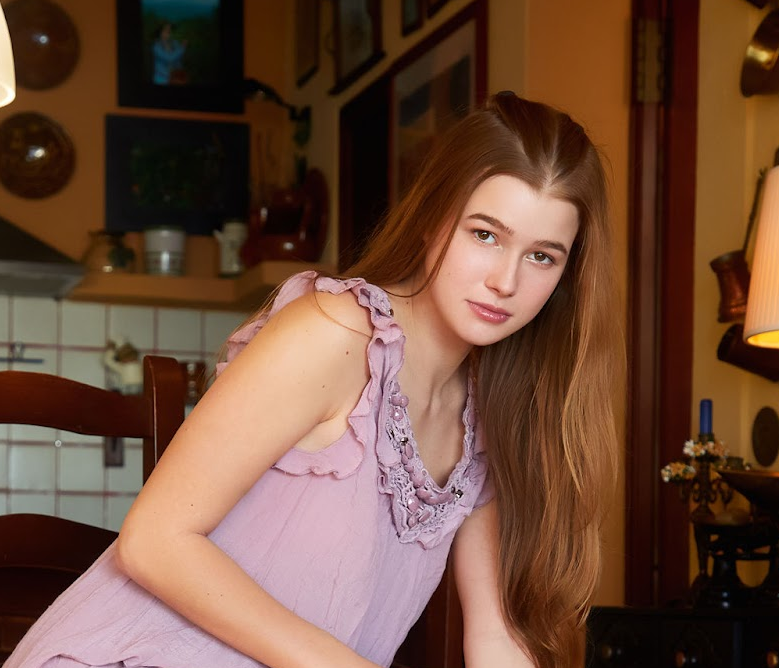

Penelope Morgan did not begin drinking herbal tea because of stress. She began because of silence. In her early thirties, her days were full—work commitments, digital communication, constant availability—but her evenings felt strangely empty.
Not restful, not calm, just hollow. She would sit down after long days and notice that her body had stopped, but her internal systems had not. Her shoulders remained lifted, her breathing shallow, her thoughts half-finished. She did not feel anxious in the dramatic sense. She felt perpetually “on.”
At first, she interpreted this state as normal adulthood. She assumed stress was something you lived with quietly, something you managed indirectly by staying busy or distracting yourself until exhaustion forced rest. She tried evening routines, screen limits, background music, even short walks after dinner. These helped somewhat, but none created a reliable sense of unwinding. What she was missing, she later realized, was not relaxation—it was transition.

Penelope Morgan’s Curated Selection of Herbal Teas for Modern Stress Relief
Her relationship with herbal tea began accidentally. One winter evening, feeling overstimulated but not tired, she brewed a simple cup of chamomile she had received as a gift. She drank it without expectation. Nothing dramatic happened. But something subtle did. Her breathing slowed. Not intentionally—organically. The tension in her neck softened slightly. Her thoughts did not disappear, but they lost urgency. She noticed the change not as calmness, but as permission to slow down.
That moment didn’t solve her stress. It reframed it. She realized that what she had been missing was not a solution, but a daily physiological cue that marked the end of active demand. Herbal tea became that cue—not as a remedy, but as a signal.
How Penelope began thinking about stress differently
Penelope gradually understood that stress was not a single experience. It was layered. There was cognitive stress, driven by constant decision-making and information processing. There was physical stress, expressed through muscle tension and shallow breathing. And there was sensory stress, created by screens, artificial lighting, and uninterrupted stimulation.
Most of her coping strategies addressed only the cognitive layer. Herbal tea, she discovered, addressed something else entirely. The act of brewing, the warmth of the cup, the aroma, and the slow consumption created a multisensory interruption. This interruption did not eliminate stressors; it prevented them from compounding.
She began approaching herbal tea not as a beverage, but as a boundary. It was the moment when her body received a clear message: nothing else is required right now.
Over time, Penelope became more intentional. She started learning about different herbs—not to treat stress, but to support different aspects of her nervous system. She was careful not to frame tea as medicine. Instead, she viewed it as a daily environmental adjustment, similar to lowering lights or opening a window.
The difference between relaxation and relief
One of Penelope’s most important insights was that relaxation and relief are not the same. Relaxation implies a state you arrive at. Relief implies a state you move away from. She noticed that herbal teas didn’t necessarily make her relaxed in the conventional sense. They made her feel relieved—relieved from constant alertness, relieved from internal noise, relieved from the need to respond.
This distinction changed how she chose her teas. She stopped searching for products that promised instant calm or emotional change. Instead, she focused on teas that supported physiological downshifting gently, without sedation or stimulation.
Her selections evolved slowly. She paid attention to how her body responded over weeks rather than nights. She noticed patterns: some teas helped her body unwind earlier in the evening; others were better after long social days; some worked best when she felt mentally overextended rather than emotionally overwhelmed.
Why Penelope avoided “strong effects”
Penelope became cautious of teas marketed for immediate or intense effects. Anything that produced a noticeable “hit” often disrupted her sleep later or left her feeling disconnected rather than grounded. She learned that for modern stress—characterized by low-level, constant stimulation—subtlety mattered more than strength.
She favored herbs that worked quietly. Teas that didn’t announce themselves. Teas that didn’t demand attention. The ones that simply accompanied her nervous system as it slowed.
In learning about herbs, she often referenced educational health sources to ensure she understood general properties rather than marketing claims. One overview she found particularly helpful was the Cleveland Clinic’s educational explanation of herbal teas, which framed them as supportive beverages rather than treatments. This aligned with her own philosophy: tea should support daily balance, not attempt to correct or cure.
Her approach to selection rather than prescription
Penelope does not prescribe specific teas to others. Instead, she describes a process of observation. She encourages people to notice what kind of stress they carry. Is it mental overstimulation? Physical tightness? Emotional depletion? Sensory overload?
She noticed that chamomile helped her body soften physically, especially after days filled with meetings or travel. Lemon balm felt different—lighter, more mentally clarifying. Peppermint did not calm her emotionally, but it relieved tension associated with long periods of focus. Rooibos felt grounding, especially when evenings felt scattered rather than heavy.
What mattered was not the herb itself, but the relationship she built with it. Each tea became associated with a specific kind of evening. Over time, her nervous system responded not only to the herb, but to the ritual surrounding it.
The ritual mattered more than the ingredient
Penelope realized that herbal tea worked best when it was not rushed. Brewing tea while scrolling or multitasking diluted its effect. When she allowed herself five uninterrupted minutes—waiting for water to heat, steeping leaves, holding the cup—the impact deepened.
This wasn’t about mindfulness as a concept. It was about pacing. Herbal tea forced her to slow down enough for her body to notice the transition. She stopped viewing stress relief as something to achieve and began viewing it as something to allow.
In this way, tea became a structural habit rather than a reactive one. She no longer reached for tea only when overwhelmed. She drank it proactively, creating a consistent off-ramp from stimulation.
How her sleep changed indirectly
Penelope did not initially connect herbal tea with sleep improvement. She didn’t drink tea to fall asleep faster. Yet over months, she noticed that her nights felt smoother. She fell asleep without mental residue. She woke up less abruptly. Her dreams felt less fragmented.
The change was indirect. By calming her system earlier in the evening, tea reduced the buildup of unresolved tension that often carried into sleep. She no longer arrived at bedtime overstimulated. Sleep became a continuation of rest rather than an abrupt stop.
Modern stress requires gentle tools
Penelope often reflects on how modern stress differs from acute stress. It is rarely about danger or urgency. It is about accumulation. Notifications, expectations, background noise, and constant low-level engagement keep the nervous system from fully disengaging.
In this context, aggressive relaxation techniques often fail. They feel like another task to complete. Herbal tea worked because it asked nothing of her. It required only presence.
She believes this is why tea has persisted across cultures and centuries. Not because it cures stress, but because it accompanies the human nervous system back toward equilibrium.
Where Penelope stands today
Today, Penelope still drinks herbal tea regularly, but she no longer thinks of it as stress relief. She thinks of it as maintenance. It is part of how she structures her evenings, how she signals closure, how she honors the transition from activity to rest.
She does not drink the same tea every night. Her selection changes with seasons, workload, and emotional tone. What remains constant is the intention: to create space where her body does not need to perform. Her final reflection is quiet and grounded: “Herbal tea didn’t remove stress from my life. It taught my body when it was allowed to stop carrying it.”